The 50/30/20 Budget Rule: Does It Actually Work in 2026?
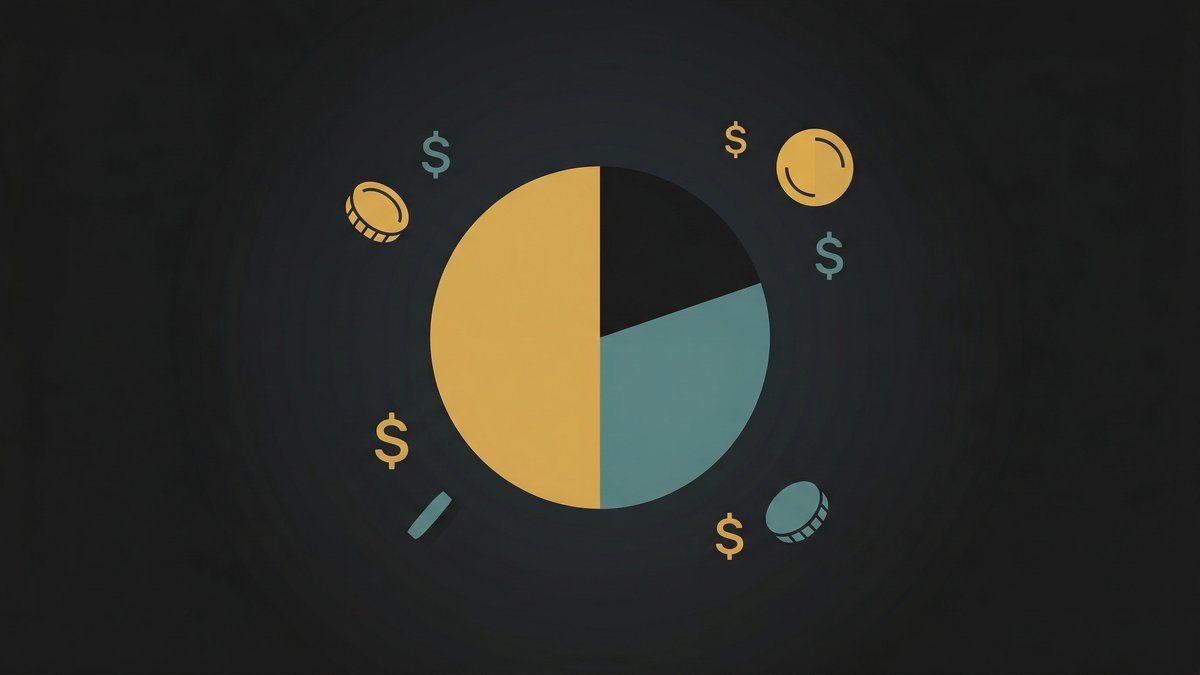
The 50/30/20 budget rule is the most frequently recommended budgeting framework on the internet — and for good reason. It’s simple, memorable, and gives beginners a clear starting point. Allocate 50% of your after-tax income to needs, 30% to wants, and 20% to savings. Done. You have a budget.
But here’s the problem: the rule was introduced by Senator Elizabeth Warren in her 2005 book All Your Worth: The Ultimate Lifetime Money Plan. Two decades later, the cost of living looks radically different. Housing alone now consumes 33% of the average American household budget, according to the Bureau of Labor Statistics’ 2024 Consumer Expenditure Survey. Groceries are up 25–30% from pre-pandemic levels. Median rent hit $1,487 per month in 2024 — a 36% increase since 2019.
So does the 50/30/20 budget rule still work in 2026? The honest answer: yes — but probably not at those exact percentages. The framework is still sound. The numbers need updating.
How the 50/30/20 Budget Rule Works
Before we talk about what needs to change, let’s make sure the foundation is clear. The 50/30/20 budget rule divides your after-tax (take-home) income into three buckets:
- 50% — Needs: Housing, utilities, groceries, insurance, minimum debt payments, transportation, healthcare. These are the expenses you can’t skip without serious consequences.
- 30% — Wants: Dining out, streaming subscriptions, travel, hobbies, shopping, concerts — anything that improves your life but isn’t strictly necessary.
- 20% — Savings & Debt Payoff: Emergency fund contributions, retirement account deposits, index fund investments, and extra debt payments above the minimums.
The beauty of this system is that it doesn’t require you to track every dollar. You’re working with three broad categories instead of twenty-seven line items on a spreadsheet. For people who have tried — and abandoned — detailed budgeting, this simplicity is exactly why the 50/30/20 budget rule became so popular.
Where the 50/30/20 Budget Rule Breaks Down in 2026
The rule’s biggest vulnerability is the 50% needs allocation. For millions of Americans, keeping essential expenses at half their income is no longer realistic.
Here’s what the data actually shows:
- Average household spending in 2024: $78,535 per year, per the BLS Consumer Expenditure Survey.
- Median household income: $83,730 — leaving just $5,195 of annual margin, or about $433 per month.
- Housing costs: $26,266 annually — that’s 33% of the average budget before a single other bill is paid.
- Transportation: $13,318 per year. Food: $10,169.
- In cities like Miami, housing alone eats 36% of median household income. In Los Angeles, it’s 33%. In Boston, 28%.
When housing, food, and transportation together exceed 60% of income — which they do for a significant portion of households — the original 50/30/20 split becomes mathematically impossible without either earning more or redefining what counts as a “want.”
A Real-World Example: Making It Work on $55,000
Take Jess, a 31-year-old marketing coordinator in Austin, Texas, earning $55,000 per year. After taxes and health insurance deductions, her take-home pay is roughly $3,500 per month.
Under the strict 50/30/20 budget rule, here’s what her budget should look like:
- Needs (50%): $1,750
- Wants (30%): $1,050
- Savings (20%): $700
Now here’s Jess’s reality: rent is $1,350. Car payment and insurance total $380. Groceries run $350. Utilities and phone are $180. Her actual needs come to $2,260 — which is 64% of her take-home pay, not 50%.
Does Jess throw out the budget entirely? No. She adapts the framework. She shifts to a 65/15/20 split — keeping the 20% savings rate non-negotiable, compressing wants to 15%, and letting needs breathe at 65%. She automates $700 per month into a Roth IRA and emergency fund before anything else hits her checking account. Her “wants” budget is smaller, but it exists — guilt-free — because the savings are already handled.
Jess didn’t need a perfect budget. She needed a realistic system that actually worked with her numbers.
How to Adapt the 50/30/20 Budget Rule for Your Life
The 50/30/20 budget rule is a starting template, not a rigid law. Here’s how to customize it based on where you actually are financially.
If Your Needs Exceed 50%
This is the most common scenario in 2026, especially in high-cost cities or for single-income households. The fix: protect your savings rate first. Aim to keep savings and debt payoff at 20% — or at minimum 15% — and let the needs and wants categories adjust around it.
Some financial advisors now recommend a 60/20/20 split or even the emerging 15/65/20 rule (save 15% first, allocate 65% to needs, spend the remaining 20% freely), as Investopedia recently covered. Both preserve the habit of paying yourself first.
If You’re Paying Off High-Interest Debt
Consider flipping the savings portion temporarily: allocate 15–20% to aggressive debt payoff (especially anything above 7–8% interest), while keeping a smaller emergency buffer of $1,000–$2,000. Once the high-interest debt is cleared, redirect those payments into savings and investing. The key is to have a plan — not to freeze because the original percentages don’t fit.
If You Earn a Higher Income
The 50/30/20 budget rule becomes easier to follow — and more powerful — as income rises. If your needs are comfortably under 50%, resist the urge to inflate your wants category. Instead, push savings to 25–30%. This is how wealth compounds faster: not by earning more, but by keeping more as income grows.
The 5-Step Budgeting System That Actually Sticks
Whether you follow the classic 50/30/20 budget rule or a modified version, the execution strategy is the same:
- Calculate your after-tax income. This is the number on your paycheck after taxes, health insurance, and any other payroll deductions. If you’re self-employed, estimate conservatively and set aside 25–30% for taxes first.
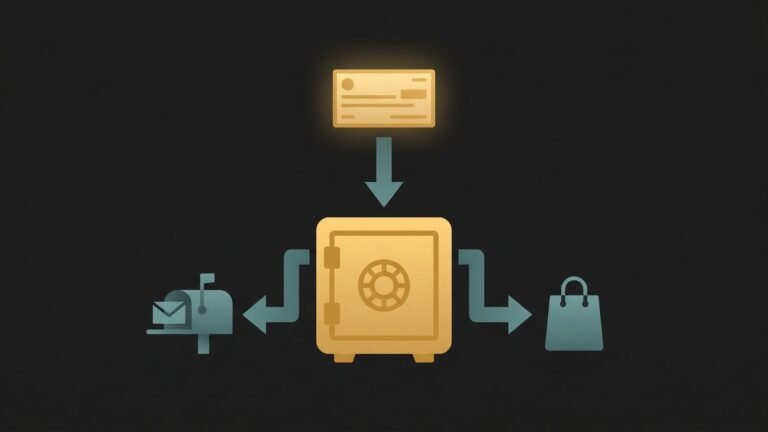
- Automate savings immediately. Set up an automatic transfer on payday — before you see the money in your checking account. Even $100 per month into a high-yield savings account or index fund creates momentum. This is the single most important step.
- List your non-negotiable needs. Rent or mortgage, utilities, insurance, groceries, transportation, minimum debt payments. Add them up. This is your real needs number — not what you wish it were.
- Assign what’s left to wants. Whatever remains after needs and automated savings is your guilt-free spending money. You’ve already saved. You’ve already covered essentials. This is yours to use without anxiety.
- Review monthly, adjust quarterly. A budget is a living document. Check in once a month (15 minutes). If something is consistently off, adjust the percentages — don’t abandon the system.
Mindful Spending: The 2026 Budget Mindset
One trend worth noting: 49% of consumers plan to commit to “mindful spending” in 2026, according to Intuit’s 2026 Financial Wellness Survey. That’s not the same as restrictive budgeting. It’s the practice of spending intentionally — saying yes to things that genuinely matter and cutting what doesn’t.
This is the underlying philosophy that makes the 50/30/20 budget rule work even when the percentages shift. The specific numbers are less important than the habit of dividing income into categories and — critically — protecting savings before spending.
The people who build wealth aren’t the ones with the perfect budget template. They’re the ones who automate their savings, review their spending occasionally, and don’t let a bad month derail a good system.
Frequently Asked Questions
Is the 50/30/20 budget rule still relevant in 2026?
Yes, as a framework — but the exact percentages may need adjusting. Rising housing and food costs mean many households now spend 55–65% on needs. The underlying principle of dividing income into needs, wants, and savings remains one of the most effective budgeting approaches for beginners.
What if I can’t save 20% of my income?
Start with whatever you can — even 5% or 10%. The habit of automating savings matters more than the specific percentage. As your income grows or expenses decrease, gradually increase your savings rate. Consistency over perfection is the key to building long-term wealth.
What’s the difference between the 50/30/20 rule and zero-based budgeting?
The 50/30/20 rule uses three broad percentage categories and doesn’t require tracking every dollar. Zero-based budgeting assigns every dollar a specific job until your balance reaches zero. The 50/30/20 approach is simpler and better for people who find detailed tracking overwhelming, while zero-based budgeting offers more granular control.
The Bottom Line
The 50/30/20 budget rule isn’t dead — it just needs a 2026 update. The core idea of splitting your income into needs, wants, and savings is still the clearest budgeting system available for beginners. But the specific ratios should reflect your actual cost of living, not a formula written when the average rent was $800.
Figure out your real numbers. Automate your savings first. Give yourself permission to spend what’s left. And don’t aim for a perfect budget — aim for one that keeps running month after month without requiring willpower.
That’s not a trendy hack. It’s a system. And systems are what build wealth.
This article is for educational and informational purposes only. It does not constitute personalized financial or investment advice. Always consult a qualified financial professional before making financial decisions.
Ready to build a strong foundation? My free Wealth Starter Kit covers the 7 fundamentals every beginner needs — from building your first budget to opening your first investment account. Get the free playbook here.